
A Front Nine to Forget

Going into the final round one shot behind 54-hole leader Sam Burns, Spaun looked well-placed. Then the wheels came off almost immediately. He bogeyed the opening hole after missing the fairway. At the second, he struck what appeared to be a near-perfect approach — only to watch in horror as it clanked off the flagstick and bounded back off the green, turning a likely tap-in birdie into a demoralising bogey. Three more dropped shots at the third, fifth and sixth followed, and by the time he made the turn his scorecard read a shocking 40 — five over par for the nine.

He had fallen five shots behind Burns. His odds of winning had dipped below two percent. For most players, that is where the story ends.

“As bad as things were going, I just still tried to commit to every shot. I tried to continue to dig deep. I’ve been doing it my whole life.”

The Rain Delay That Changed Everything

At 4:01pm local time, with greens flooded and the course unplayable, officials suspended play for 96 minutes. For Spaun, the timing could not have been better. During the delay, his short game coach Josh Gregory found him and delivered a message that cut through the noise: it was Father’s Day, he had two beautiful daughters, and he still had a chance to win the US Open. His full swing coach Adam Schriber followed with a pep talk that bordered on a scolding. By the time play resumed, Spaun was a different man.

What happened next was the stuff of legend.

A Back Nine for the Ages

When Spaun walked back onto the course, the leaderboard had begun to crumble around him. Burns was unravelling. Adam Scott was dropping shots. Viktor Hovland was struggling off the tee. Suddenly, Oakmont was coming back to the field — and Spaun was ready to take full advantage.

The turning point came at the par-five 12th hole, where Spaun stood over a 41-foot birdie putt and rolled it straight into the centre of the cup. The roar from the gallery said everything. He was back in the tournament. Two holes later at the par-four 14th, he drained a 22-footer for birdie to move into the outright lead for the first time since early in the round. A bogey at the brutal 15th briefly knocked him back, but at the driveable par-four 17th he pulled off the shot of his week — a 314-yard drive that found the green — and calmly two-putted from 22 feet to retake the lead with one hole to play.

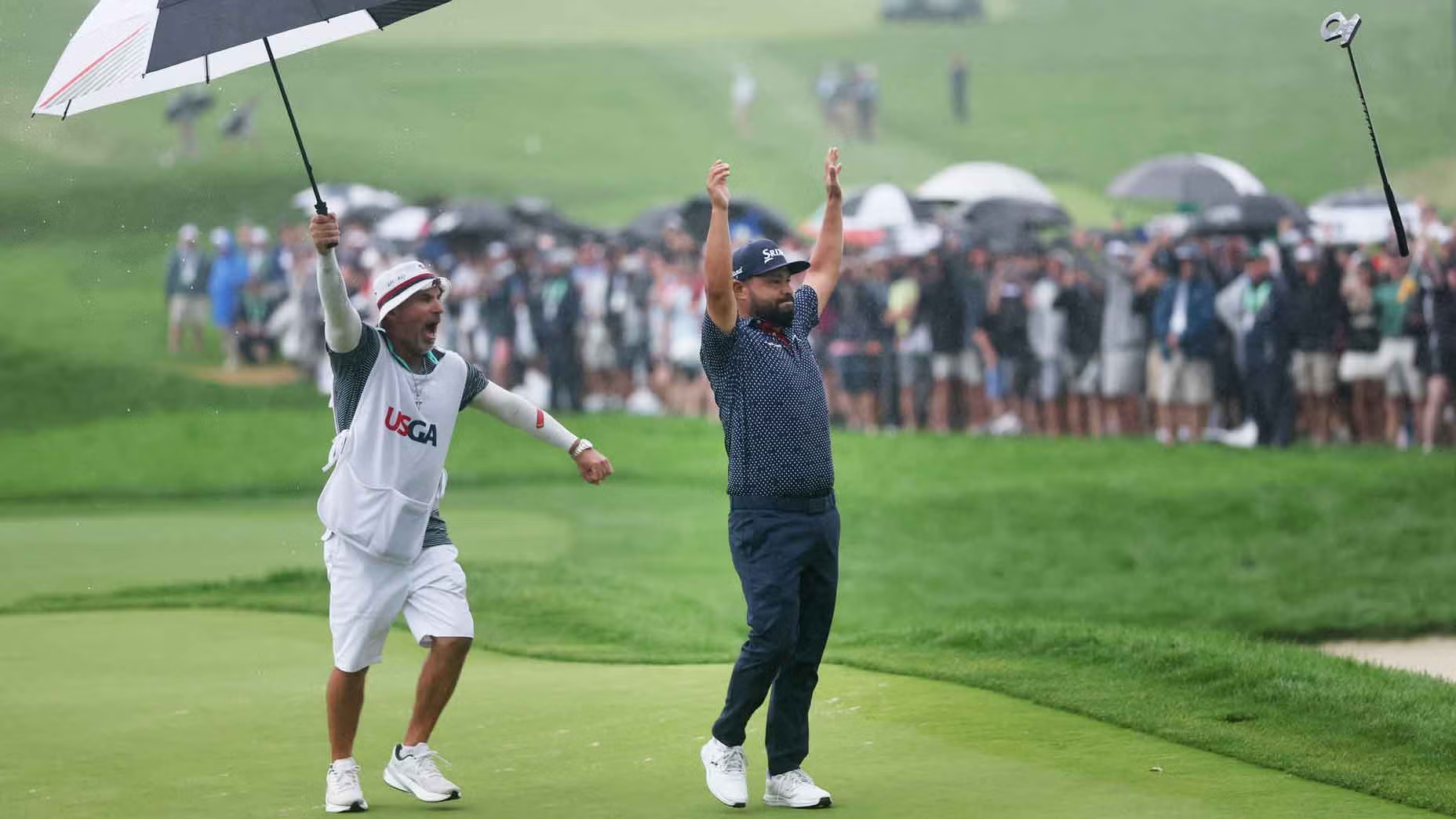
All he needed on the 18th was a two-putt from 64 feet to become a major champion. He needed just the one.

The putt crested over a slope roughly halfway to the hole, tracked perfectly toward the flag, and dropped. Spaun erupted. His caddie Mark Carens was lifted off the ground. And at the scorer’s table, Robert MacIntyre — who had just posted a brilliant 68 to set the clubhouse target — could only watch and applaud.

“About eight feet out, I kind of went up to the high side to see if it had a chance of going in, and it was going right in. I was just in shock, disbelief that it went in, and it was over.”


The Putting Numbers Behind the Victory

Spaun finished the week converting a total of 401.5 feet of putts — the most of anyone in the entire championship. His back nine on Sunday told the story of a putter performing at its absolute peak when it mattered most:

  • Hole 12 — 1 putt from 41 feet (birdie)
  • Hole 14 — 1 putt from 22 feet (birdie)
  • Hole 17 — 2 putts from 22 feet (birdie)
  • Hole 18 — 1 putt from 64 feet (birdie)

That 64-footer on the final green gained him +1.24 strokes on the field in a single stroke — more than the best putters on the PGA Tour gain in an entire round on average. His final round strokes gained putting figure of +2.29 was second in the entire field for the week.

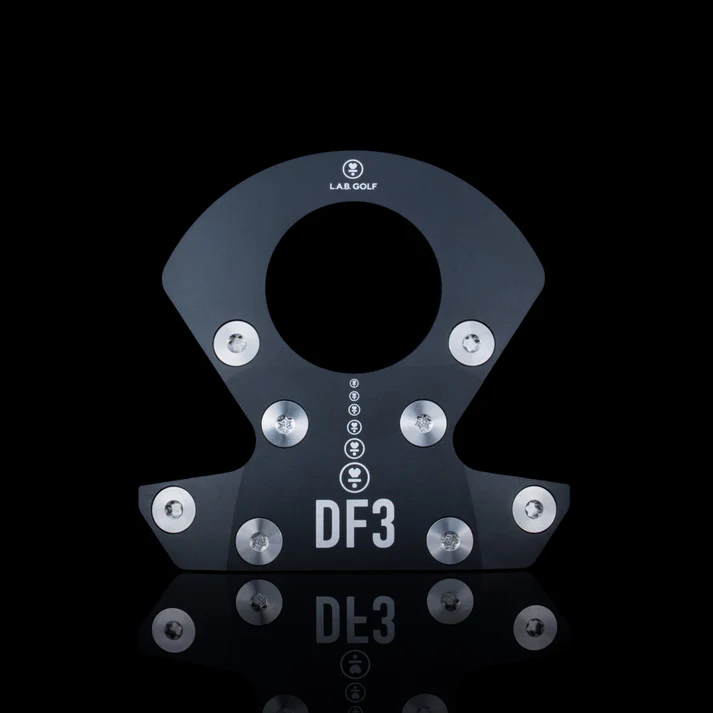
He is ranked 40th on the PGA Tour in strokes gained putting in 2025, a remarkable rise from 108th the previous year — a transformation he credits largely to switching to a L.A.B. Golf DF3 putter, which became the first L.A.B. putter ever used to stroke a winning putt in a men’s major championship.

What It Means

JJ Spaun entered the week at 120-1 odds. He had never finished better than 23rd at a major. Twelve months earlier, he had been contemplating walking away from the game entirely after struggling to keep his PGA Tour card. On Father’s Day 2025, he stood on Oakmont’s 18th green as US Open champion, the only player in the entire field to finish under par for the week.

His back nine 32 was the second-best closing nine in Oakmont US Open history, behind only Johnny Miller’s legendary 31 in 1973. He joined Ben Hogan, Jack Nicklaus, Tom Watson and Jon Rahm as the only players to finish birdie-birdie to win the US Open.

For putting students and coaches, his round is a reminder that the putter is the great equaliser. Ball-striking matters. Course management matters. But when the pressure is at its absolute peak, it is the player who can read the green, commit to the line and roll the ball with conviction who walks away with the trophy.

JJ Spaun did all three on a wet Sunday afternoon in Pennsylvania. The 64-footer on 18 will be replayed for decades. But it was the 41-footer on 12 — holed when he had nothing left to lose — that truly won the 2025 US Open.

Want to know how your putting stacks up? Use our free Strokes Gained Putting Calculator to track every putt, measure your edge on the greens and see exactly where you gain and lose shots — just like the tour pros.

Strokes gained Calculator

The Drill Rory and Scheffler Use to Benchmark Their Putting

The Drill Rory and Scheffler Use to Benchmark Their Putting

The story of Scotty Cameron

The story of Scotty Cameron

The Infinite Feedback Loop

The Infinite Feedback Loop